So, you've got your hands on a shiny new drum kit and you're ready to unleash your inner rhythm. But where do you start? Mastering drumming requires more than just banging on the drums randomly. It's all about building a strong foundation of basic techniques that will set you up for success and enable you to play with precision and groove.
The first fundamental technique every drummer should focus on is proper hand grip. Hold the drumsticks with a relaxed grip, allowing the sticks to rest between your thumb and the first knuckle of your index finger. This grip provides control and flexibility, allowing you to move and strike the drums and cymbals with ease. Remember, a loose grip is key to avoid fatigue and maintain fluidity in your playing.
Another crucial technique is mastering drum rudiments. Rudiments are the building blocks of drumming, consisting of patterns and combinations of strokes played on a single drum or practice pad. Start by learning the basic rudiments like single and double strokes, paradiddles, and flams. Practicing these rudiments regularly will help you develop coordination, speed, and control over your drumming.
Finally, honing your sense of timing and rhythm is essential. Drummers are the backbone of any band, providing the steady beat and groove that keeps everyone in sync. Use a metronome or play along with music to improve your timing. Start by playing simple beats, gradually increasing the complexity as you progress. Remember, staying in the pocket and maintaining a consistent tempo will make you a drummer that others love to play with.
Exploring Different Drum Kits: From Classic to Modern
When it comes to creating mesmerizing beats and unleashing your inner rhythm, a drum kit is an essential tool for every aspiring drummer. Drum kits, also known as drum sets, have come a long way over the years. From classic designs that pay homage to the origins of drumming to modern advancements that push the boundaries of sound, there is a wide array of options to choose from.
Classic drum kits are rooted in tradition and evoke a sense of nostalgia. These kits typically feature a bass drum, snare drum, tom-toms, and cymbals. Many legendary drummers, such as John Bonham of Led Zeppelin and Ringo Starr of The Beatles, created iconic beats using these timeless setups. With their rich history and timeless appeal, classic drum kits are a fantastic choice for those who appreciate the artistry of iconic drumming moments.
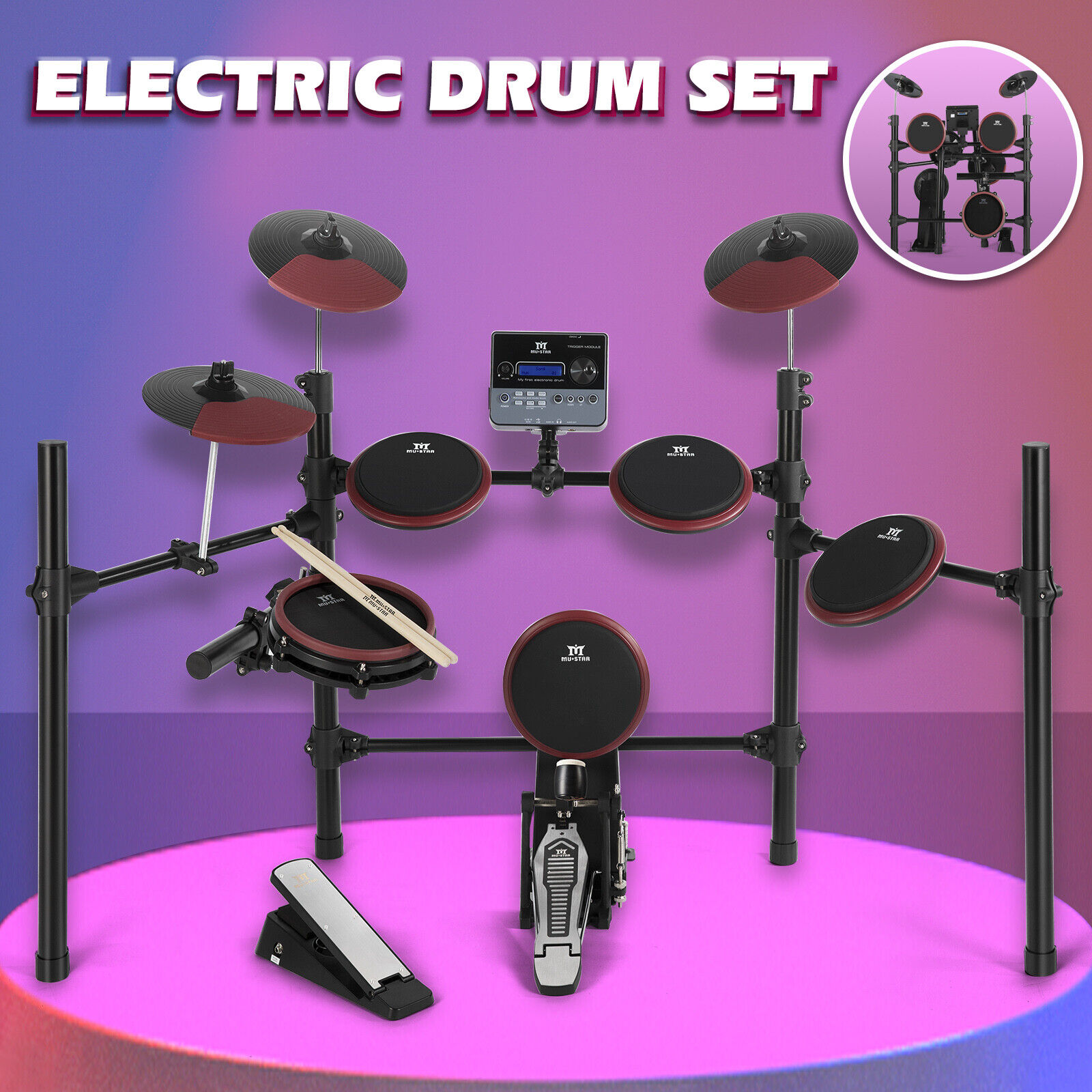
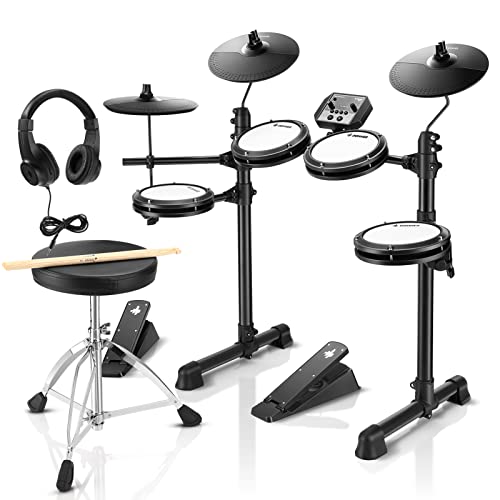
On the other hand, modern drum kits embrace innovation and offer an unprecedented level of versatility. These kits often incorporate electronic elements and cutting-edge technology, allowing drummers to explore a vast range of sounds. With features like built-in effects, customizable settings, and the ability to connect to digital devices, modern drum kits provide endless possibilities for creativity and experimentation. They are perfect for those who enjoy blending traditional drum sounds with futuristic elements.
Developing Your Rhythm: Tips and Exercises for Success
Rhythm is the heartbeat of any great drummer. It's what sets apart a good performance from an incredible one. If you want to unleash your inner rhythm and master drum kits, you've come to the right place. Whether you're a beginner or an experienced drummer looking to refine your skills, these tips and exercises will help you take your drumming to the next level.
1. Start with the basics: Before diving into complex drum patterns, it's crucial to have a solid foundation in the fundamentals. Focus on mastering simple beats and understanding the rhythmic structure. Begin by practicing basic timekeeping exercises, such as playing quarter notes on the bass drum and eighth notes on the hi-hat. As you become comfortable, gradually increase the complexity by incorporating different drum parts, such as adding snare hits or cymbal crashes.
2. Develop finger independence: Drumming is not just about pounding on the drums with force; it's also about having precise control over each limb. Take time to improve finger independence by engaging in finger control exercises. One exercise involves holding a drumstick between your thumb and index finger while tapping a steady beat with the remaining fingers. Gradually move the drumstick between different fingers, challenging yourself to maintain the rhythm. This exercise will help you develop coordination and dexterity, enabling you to effortlessly play intricate drum patterns.
3. Play with a metronome: A metronome is an invaluable tool for any drummer. It helps you develop a strong sense of timing and keeps you on track, especially when practicing alone. Set the metronome to a comfortable tempo and play along, ensuring that your beats align perfectly with each click. As you become more proficient, gradually increase the metronome's speed and experiment with different time signatures. Practicing regularly with a metronome will enhance your ability to stay in time, a skill essential for any drummer seeking to deliver tight and precise performances.
4. Start slow, build speed: Don't rush the process of mastering drumming techniques. It's crucial to start slow, focusing on accuracy and proper technique. As you become comfortable, gradually increase the tempo, challenging yourself to maintain the same level of precision. Remember, speed will come naturally with practice, but it's crucial to prioritize control and accuracy over sheer velocity. Patience is key when developing your rhythm, so take the time to build a strong foundation before moving on to more advanced techniques.
Remember, mastering the drum kit is a journey that requires dedication and practice. As you incorporate these tips and exercises into your routine, don't forget to have fun and embrace your own unique style. Unleash your inner rhythm, and get ready to create music that moves and inspires. Keep honing your skills, and soon enough, you'll be mesmerizing audiences with your drumming prowess.
Mastering the Art of Drumming: Unleashing Your Potential
Drumming is not just about rhythm; it's a powerful expression of our inner selves. The beat of the drums can awaken the deepest emotions and transport us to a different world. If you've always had a passion for drumming or are just starting on your musical journey, mastering the art of drumming can unlock your true potential.
One of the first steps to becoming a skilled drummer is to understand your drum kit. A drum kit typically consists of several components, including the bass drum, snare drum, toms, cymbals, and pedals. Each component has a distinct sound, and learning how to manipulate them will enable you to create diverse beats and rhythms.
Once you've familiarized yourself with the drum kit, it's time to unleash your creativity and experiment with different styles. From rock and jazz to hip-hop and funk, there are endless possibilities when it comes to drumming. Experiment with various tempos, timings, and techniques to find your unique sound and style.
Remember, practice makes perfect. Regular practice sessions will help you improve your coordination, speed, and stamina. Start with simple beats and gradually progress to more complex patterns. Don't be afraid to make mistakes; they are a crucial part of the learning process. As you practice, you will begin to grasp the intricate balance between timing, technique, and expression that defines a skilled drummer.